Essential exposed brick maintenance combines regular dusting, prompt stain removal, and periodic professional inspection. Homeowners and property managers in Toronto should remove surface dust first, then address paint, efflorescence, mold, or carbon staining using proven cleaning solutions. Brick Wash applies low-pressure washing techniques that clear dirt and stains while preserving mortar joints, texture, and natural brick color.
What Do You Need to Maintain Exposed Brick?
Maintaining exposed brick requires a short set of tools, a consistent inspection routine, and a clear understanding of what causes staining. Brick Wash, a Toronto-based masonry cleaning specialist, guides GTA homeowners through this process regularly. A solid exposed brick checklist starts with identifying the debris causing trouble. Paint, plaster, carbon staining, mold, efflorescence, and excess mortar all require different attention.
Preparation matters more than most homeowners expect. Surface dust and dirt must come off first, before any cleaning solution touches the brick. Skipping this step traps grit against the surface and can scratch the material during cleaning.
Is Interior Brick Cleaned Differently Than Exterior Brick?
No. Interior brick responds to the same cleaning solutions used on exterior masonry. Property owners do not need separate products for a fireplace wall versus a garden facade. One consistent method covers both surfaces.
What Belongs in a Basic Care Routine?
Effective brick maintenance tips center on a repeatable cycle rather than one-time fixes:
- Inspect brick surfaces on a regular schedule to catch staining early
- Clear surface dust and dirt before applying any cleaner
- Match the cleaning approach to the specific debris present, whether efflorescence or carbon soot
Following this care guide for exposed brick protects both appearance and structural integrity over time. Regular inspections, in particular, prolong the life of masonry surfaces that would otherwise degrade unnoticed.
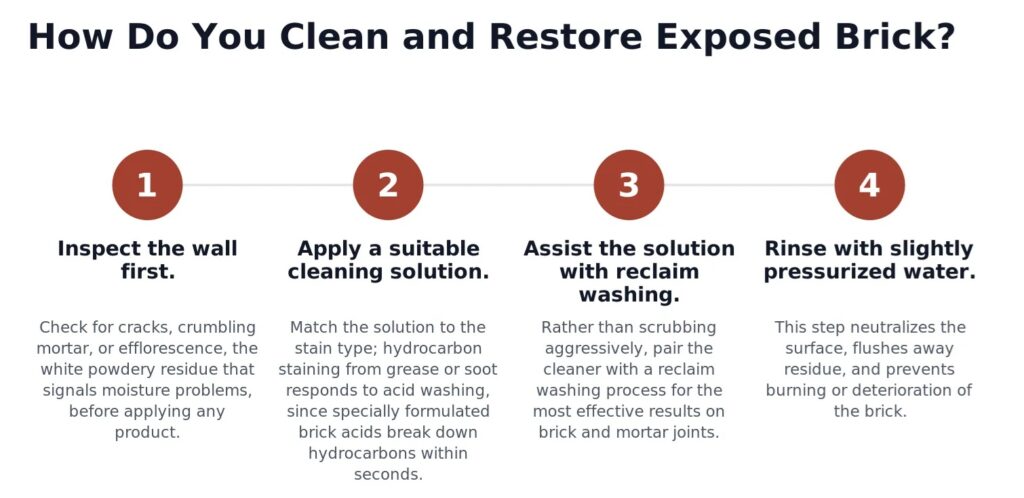
How Do You Clean and Restore Exposed Brick?
Cleaning and restoring exposed brick requires a specific sequence: inspection, gentle chemical treatment, and controlled rinsing. Skipping any of these steps risks permanent damage to the brick’s surface. Property managers and homeowners in Toronto who follow a proper care guide for exposed brick protect both the wall’s appearance and its structural life.
- Inspect the wall first: Check for cracks, crumbling mortar, or efflorescence, the white powdery residue that signals moisture problems, before applying any product
- Apply a suitable cleaning solution: Match the solution to the stain type; hydrocarbon staining from grease or soot responds to acid washing, since specially formulated brick acids break down hydrocarbons within seconds
- Assist the solution with reclaim washing: Rather than scrubbing aggressively, pair the cleaner with a reclaim washing process for the most effective results on brick-and-mortar joints
- Rinse with slightly pressurized water: This step neutralizes the surface, flushes away residue, and prevents burning or deterioration of the brick
What Should Never Be Used on Exposed Brick?
Sandblasting, soda blasting, abrasive blasting, and dry ice blasting have no place in an exposed brick checklist. These methods force sand into every joint and crack in the home. Worse, they strip away the kilned finish that protects brick from the outside. Once that layer is gone, the brick becomes far more vulnerable to weathering and staining.
Why Does Rinsing Matter So Much?
Rinsing is an essential final step, not an optional one. If cleaning chemicals are left on the surface, they continue to react with the brick, leading to burning or gradual deterioration over time. Using slightly pressurized water neutralizes the cleaning solution completely. By following these brick maintenance tips, homeowners can preserve both the color and texture of their walls for years to come.
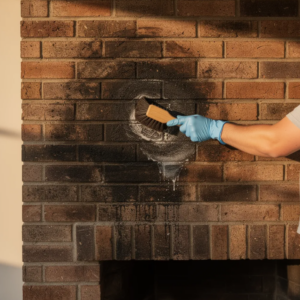
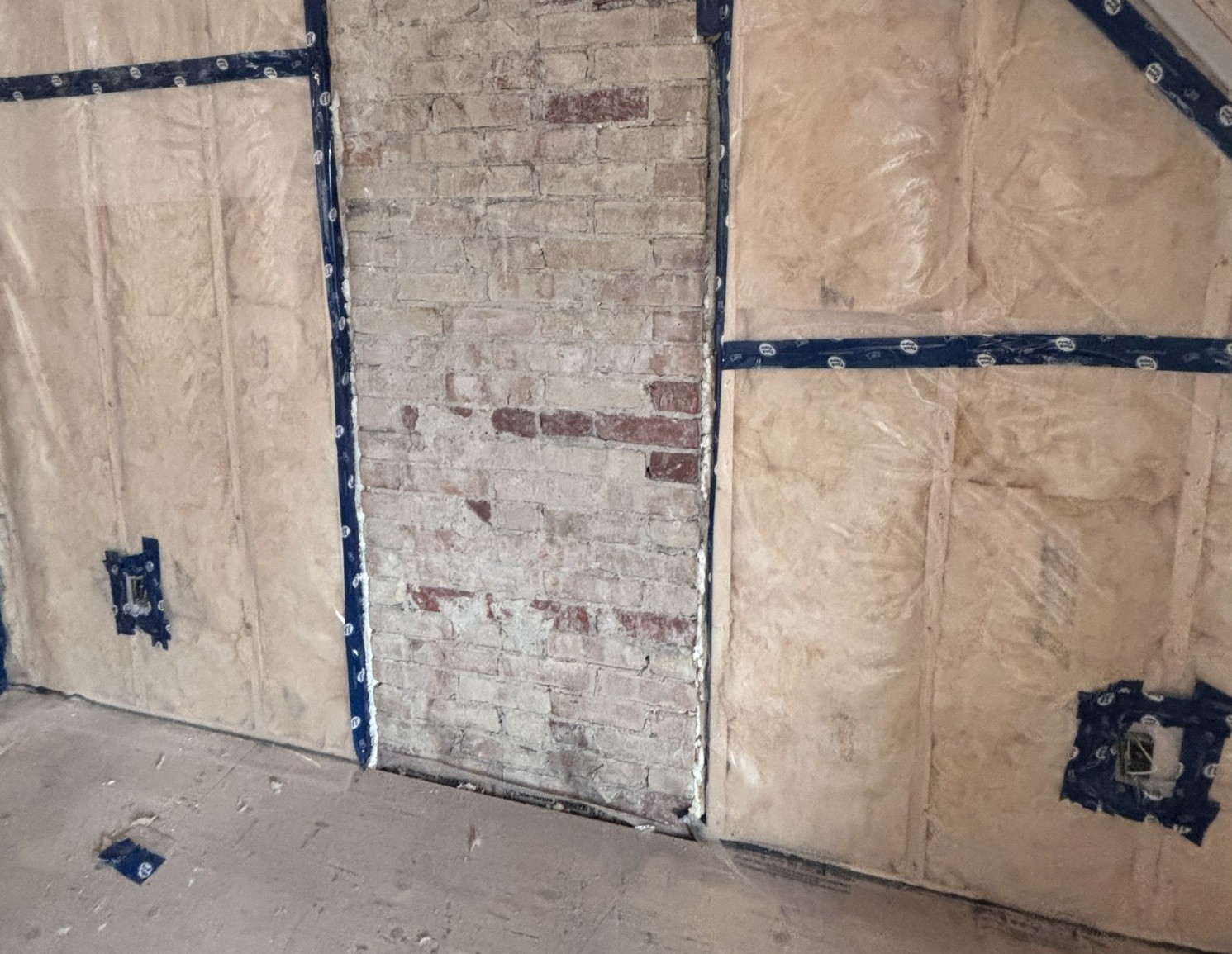
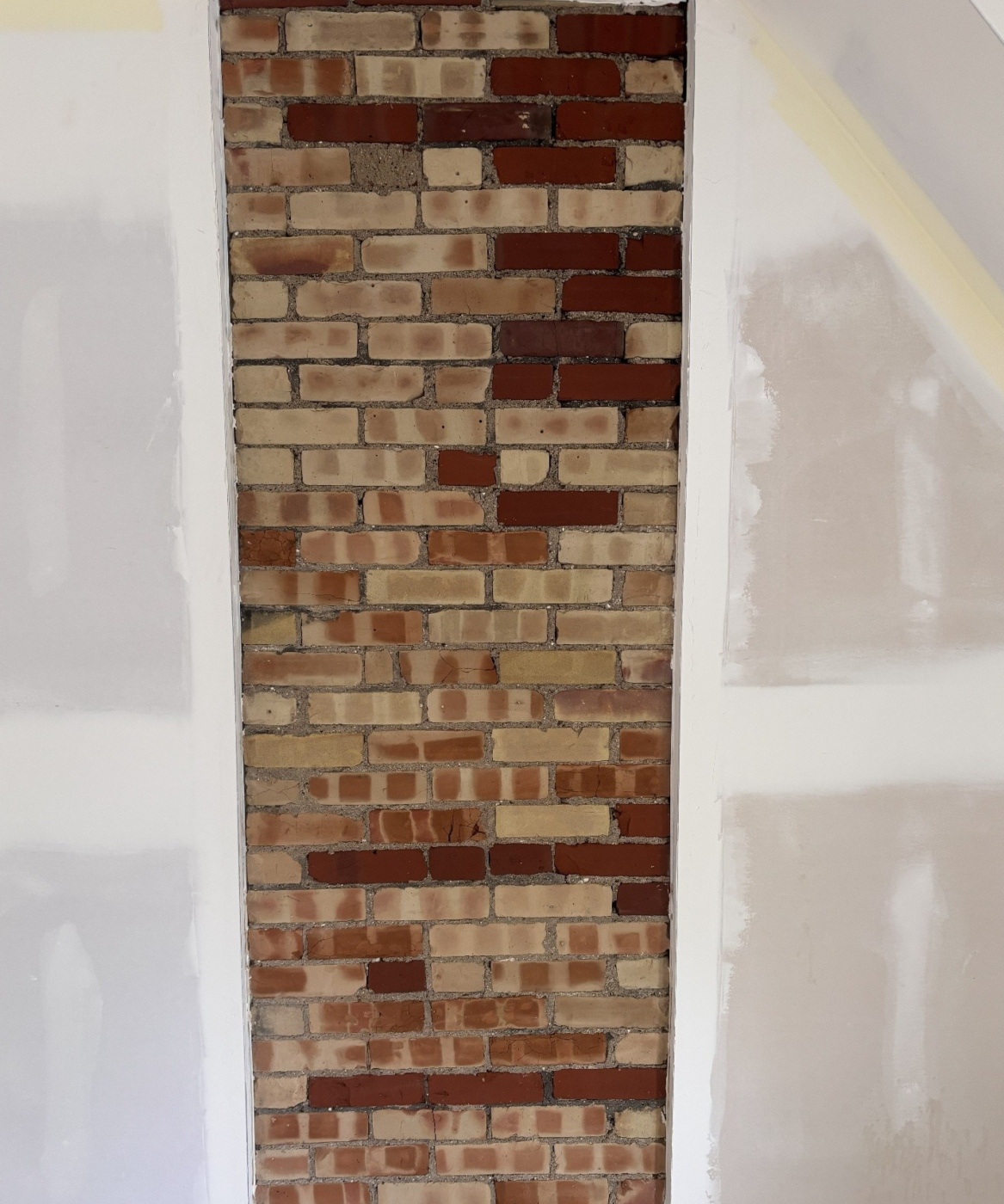
See the difference proper restoration makes: years of deep-set grime, carbon buildup, and efflorescence lifted away to reveal the brick’s original character.
Before:
After:
What Mistakes Should You Avoid When Cleaning?

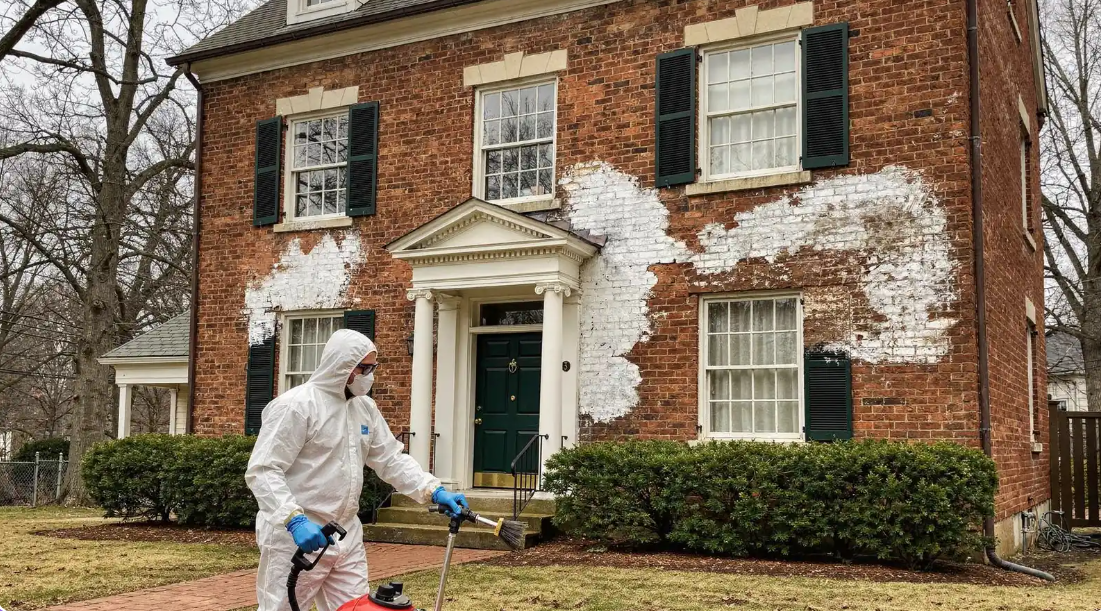
Wire brushes top the list of cleaning mistakes homeowners make on exposed brick. The bristles strip away the thin protective layer on the brick’s surface, leaving it exposed to moisture and faster wear. Toronto’s older housing stock makes this risk even greater. Victorian and Edwardian homes across the city feature brickwork that’s softer. More porous than modern builds, held together with lime-based mortar instead of cement. Treating that brick like a standard modern wall invites lasting damage: spalling, fading, and even structural problems can follow improper cleaning or repair work.
Is DIY Brick Cleaning a Bad Idea?
Yes. Brick cleaning should be handled by trained professionals who follow proper safety precautions, not tackled as a weekend project. A solid exposed brick checklist starts with recognizing when a job is beyond household tools.
What Should Happen Before Cleaning a Historic Facade?
Historic facades need a professional evaluation before any cleaning begins, protecting architectural integrity. Following sound brick maintenance tips and a proper care guide for exposed brick means avoiding:
- Wire brushes or abrasive scrubbing tools
- Skipping a professional assessment on heritage or historic brick
- Attempting DIY cleaning without safety training
Conclusion
In summary, maintaining exposed brick requires consistent attention to cleaning, sealing, and structural care, investments that preserve both the aesthetic appeal and longevity of your masonry. By following this essential checklist, you protect your property’s character and value for years to come. Professional brick cleaning and restoration services complement your maintenance efforts, ensuring your exposed brick remains a striking architectural feature that enhances your home’s overall integrity and beauty.
Key Takeaways
- Regular inspections prevent costly repairs and extend exposed brick lifespan significantly over time
- Interior brick requires cleaning to remove soot, grease, and stains from daily use
- Exposed brick offers fire resistance and thermal efficiency, reducing energy costs year-round
- Proper maintenance preserves the timeless architectural character that makes brick a lasting investment
Frequently Asked Questions (FAQs):
Q. What is the first step in maintaining exposed brick?
A. Remove surface dust and dirt before applying any cleaning solution. Skipping this step traps grit against the brick and scratches the material during cleaning.
Q. Does interior brick need different cleaning products than exterior brick?
A. No, interior brick responds well to the same cleaning solutions used for exterior masonry. Property owners can use one consistent method for both fireplace cleaning and cleaning outdoor features like a garden facade.
Q. How does Brick Wash clean exposed brick without damaging it?
A. Brick Wash applies low-pressure washing techniques paired with reclaim washing to clear dirt and stains. This process preserves mortar joints, texture, and natural brick color throughout the cleaning.