Frequently Asked Questions
How can I effectively clean bricks in Toronto?
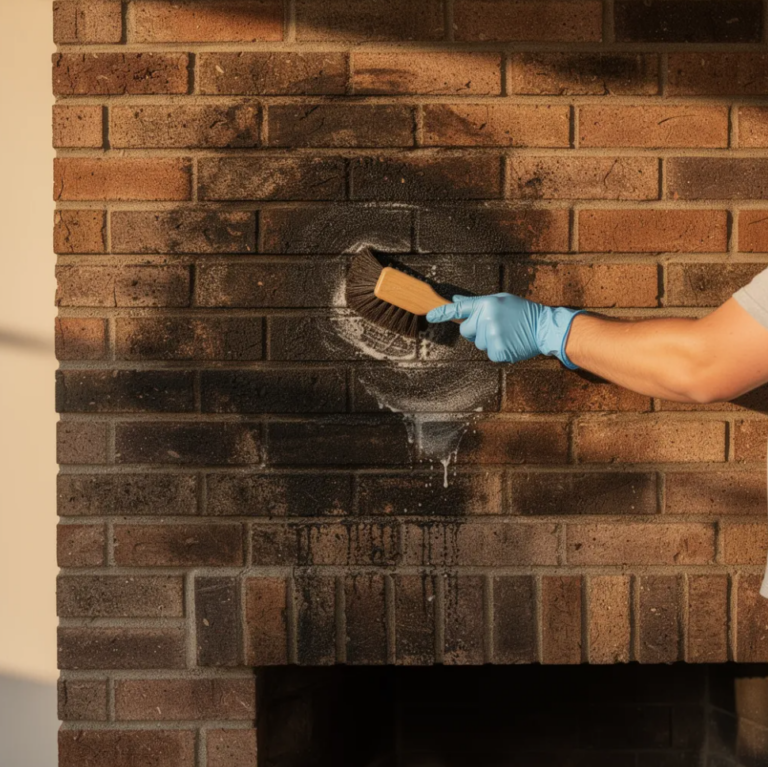
Effectively cleaning bricks in Toronto involves using a non-acidic brick cleaner and a soft-bristle brush to avoid damage. Regular maintenance, such as removing mould and debris, can also help preserve the integrity of your brickwork. Consider professional services for significant restoration.
What is the process of brickwashing?
The process of brick washing involves a thorough cleaning of brick surfaces, typically using a mix of water and specialized cleaning solutions. This method removes dirt, grime, and contaminants while preserving the integrity of the bricks, essential for historic restoration.
What results can I expect from using brick acid?
The results from using brick acid are significant cleaning power that effectively removes stains, efflorescence, and mineral deposits from brick surfaces. This process revitalizes the appearance of your brickwork and helps maintain its structural integrity.
What does brick cleaning entail?
Brick cleaning entails the process of removing dirt, grime, and environmental pollutants from brick surfaces using specialized techniques and equipment. This service helps maintain the aesthetic appeal and longevity of brick structures, particularly for historical preservation.
How long does brickwashing take?
The duration of brickwashing typically depends on the size and condition of the area being treated. Generally, the process takes anywhere from a few hours to a full day.
Are brick cleaning results immediate?
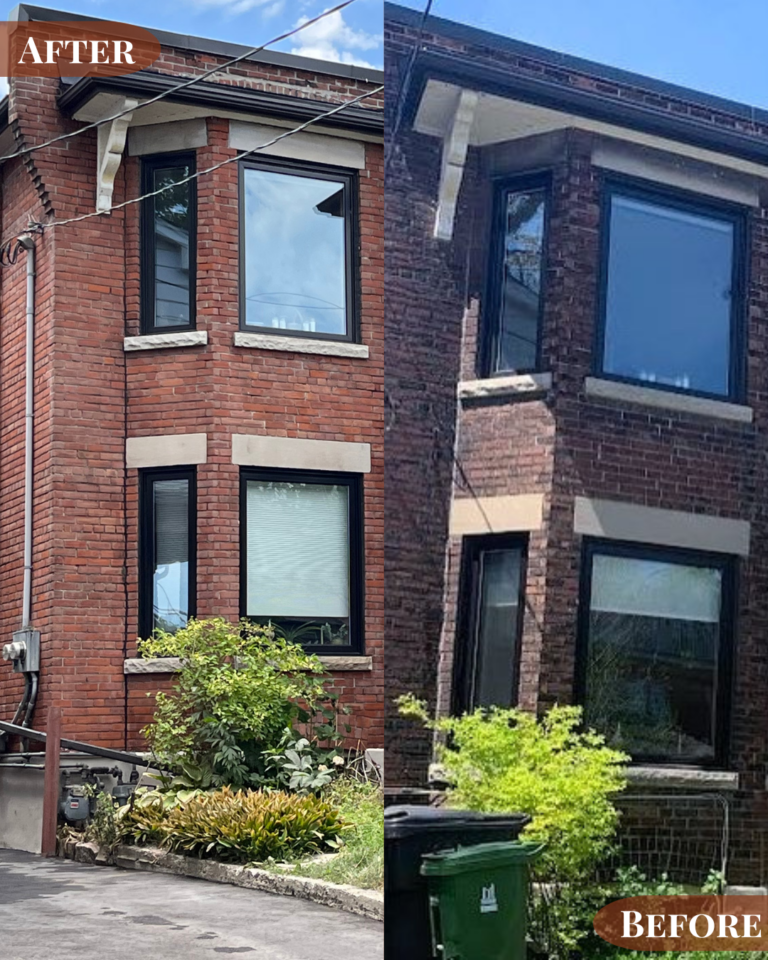
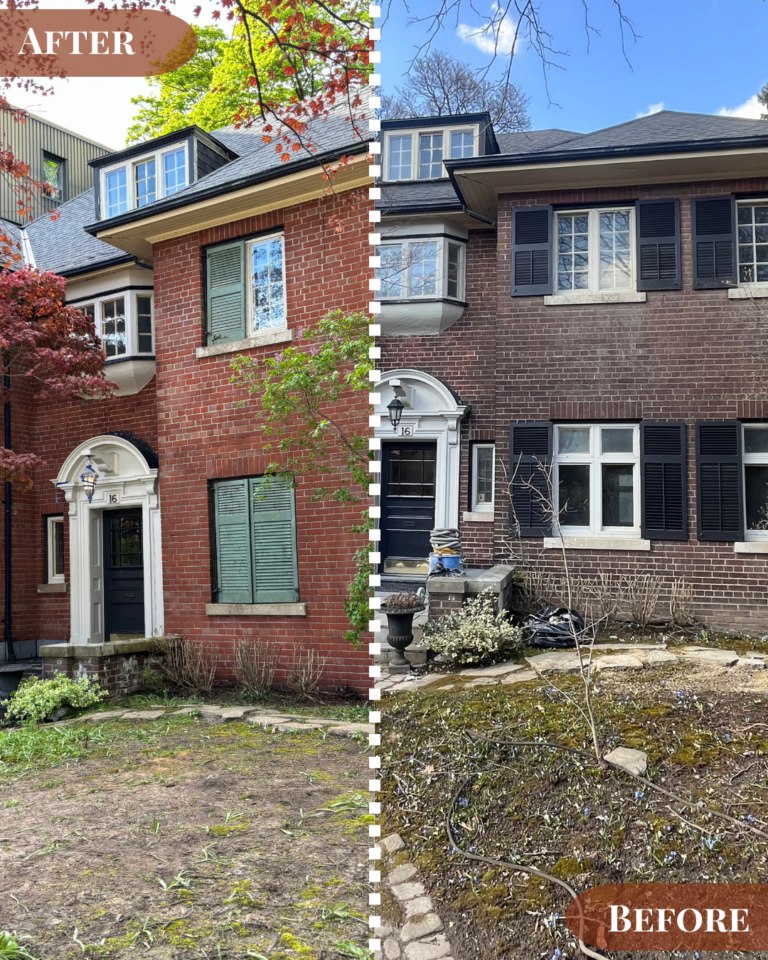
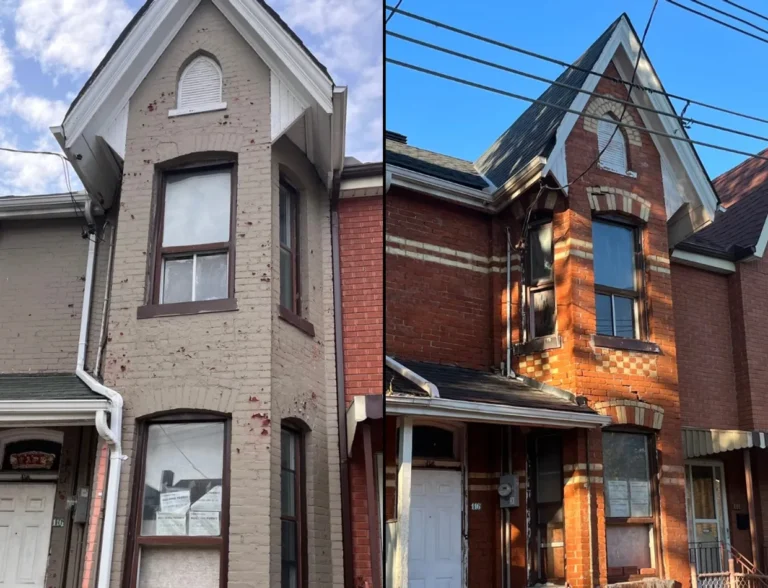
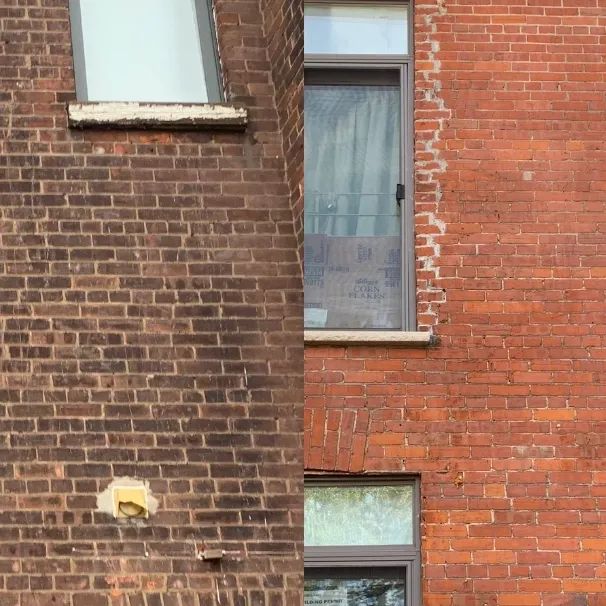
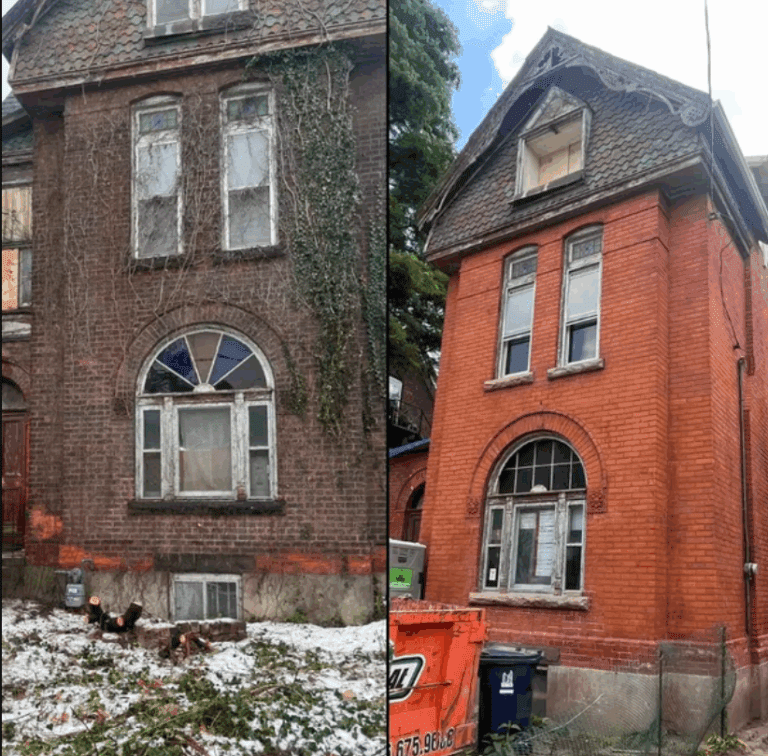
The results of brick cleaning are typically immediate. After the cleaning process, homeowners often notice a significant improvement in the appearance of their brickwork, revealing its original colour and restoring its charm.
Can brick acid damage bricks?
Brick acid can indeed damage bricks if not used properly. It’s crucial to dilute the acid appropriately and follow manufacturer guidelines to avoid adverse effects on your brickwork.
What precautions are necessary for brickwashing?
Precautions necessary for brickwashing include protecting surrounding plants and surfaces, using appropriate cleaning solutions, and testing a small area first to ensure no damage occurs to the brick. Always wear safety gear and follow manufacturer guidelines.
How often should bricks be cleaned?
Bricks should be cleaned every one to two years, depending on environmental factors and exposure to dirt and moss. Regular cleaning helps maintain their appearance and prevents long-term damage, preserving both aesthetic value and structural integrity.
What are the costs of brick cleaning?
The costs of brick cleaning can vary widely based on several factors, including the size of the area, the condition of the brickwork, and the specific techniques employed. Generally, homeowners can expect to pay between $0.25 to $2.00 per square foot.
Is brickwashing safe for old buildings?
Brick washing is safe for old buildings when performed by professionals using appropriate techniques and eco-friendly substances. This ensures the preservation of the brick integrity while effectively removing dirt and stains.
How does weather affect brick cleaning?
Weather significantly impacts brick cleaning. Ideal conditions are dry and mild, as moisture can hinder effective cleaning and promote mildew, while extreme temperatures may damage the bricks. Scheduling cleanings during moderate weather ensures optimal results for brick preservation.
Can brick cleaning prevent structural damage?
Brick cleaning can help prevent structural damage by removing harmful contaminants like moss, algae, and dirt that retain moisture. This maintenance ensures the integrity of the brickwork, enhancing its ability to withstand harsh weather conditions over time.
What are the environmental impacts of brickwashing?
The environmental impacts of brickwashing include the potential runoff of cleaning agents and debris into local waterways, which can harm aquatic ecosystems. However, using eco-friendly products and techniques can mitigate these effects, ensuring a more sustainable cleaning process.
How do professionals neutralize brick acid?
Professionals neutralize brick acid by applying a solution of water and baking soda or lime to the affected area. This neutralizes the acid's effects, protecting the brick while ensuring thorough cleaning without causing damage.
What are the best seasons for brickwashing?
The best seasons for brickwashing are spring and fall. These times provide mild temperatures and low humidity, ensuring optimal drying conditions and effective cleaning without the risk of damage to the brickwork.
Can I DIY brick acid application?
The possibility of DIY brick acid application depends on your experience and safety precautions. While it can be done, hiring a professional is recommended to avoid damage and ensure effective cleaning.
What safety gear is needed for brickwashing?
The safety gear needed for brickwashing includes safety goggles, gloves, and a mask to protect against chemicals and dust. Additionally, wearing sturdy footwear is essential to ensure stability and safety during the cleaning process.
How to choose a brick cleaning service?
Choosing a brick cleaning service involves assessing the company's experience, reputation, and understanding of historical preservation. Look for providers who use safe, effective techniques and offer tailored solutions for your specific brickwork needs.
What distinguishes brickwashing from pressure washing?
The distinction between brickwashing and pressure washing lies primarily in their techniques and objectives. Brickwashing uses gentler methods specifically designed to clean and preserve brick surfaces without damaging the material, while pressure washing employs high-pressure water streams that can potentially harm the bricks and mortar.
Are there eco-friendly brick cleaning methods?
Eco-friendly brick cleaning methods are available and include techniques such as high-pressure rinsing, natural cleaning solutions, and biodegradable detergents. These methods effectively clean bricks while minimizing environmental impact, promoting both preservation and sustainability.
How to maintain bricks after cleaning?
Maintaining bricks after cleaning involves regularly inspecting for dirt and moss, applying a breathable sealant to protect against moisture, and promptly addressing any repairs or damages. This ensures the longevity and aesthetic appeal of your brickwork.
What are the signs bricks need washing?
The signs that bricks need washing include visible dirt, algae, or mildew, discoloration, and the presence of efflorescence or masonry stains. Regular cleaning helps maintain the aesthetic and structural integrity of brickwork.
Can brickwashing remove paint from bricks?
Brickwashing can effectively remove paint from bricks, but results vary based on paint type and brick condition. It's best to consult professionals who can determine the appropriate methods while preserving the integrity of the brickwork.
How to verify a brick cleaning companys expertise?
To verify a brick cleaning company's expertise, review their credentials, ask for references or case studies of previous work, and check for industry certifications, ensuring they specialize in historic restoration and maintain a solid reputation among clients.
What are the risks of improper brickwashing?
The risks of improper brickwashing include damage to the brick surface, potential loss of structural integrity, and deterioration of mortar joints. Additionally, using excessive pressure or the wrong cleaning agents can lead to water infiltration and long-term decay.
How does brick acid react with mortar?
Brick acid reacts with mortar by breaking down its composition, which can weaken the bond between the brick and mortar if not used carefully. Proper application and rinsing are essential to prevent damage during brick cleaning.
Can brickwashing restore historical buildings?
Brickwashing can indeed restore historical buildings. This specialized cleaning technique removes dirt, grime, and biological growth, helping to reveal and preserve the original beauty and integrity of the brickwork, which is essential for maintaining the building's historical value.
How to prepare bricks for acid washing?
Preparing bricks for acid washing involves cleaning the surface to remove debris, protecting surrounding areas with plastic sheeting, and ensuring the area is well-ventilated. It's essential to wear appropriate safety gear such as gloves and goggles during this process.
What brick types are suitable for acid washing?
Certain clay bricks, such as fired red brick, are suitable for acid washing. Avoid using acid on softer or porous brick types, as this can cause damage to the surface and impair the brick's integrity.