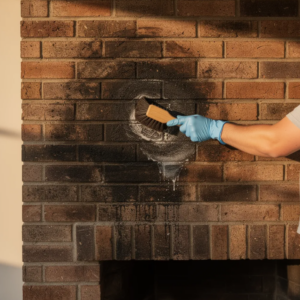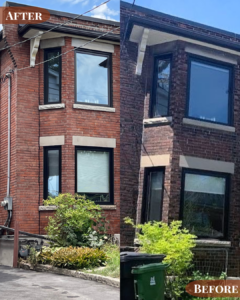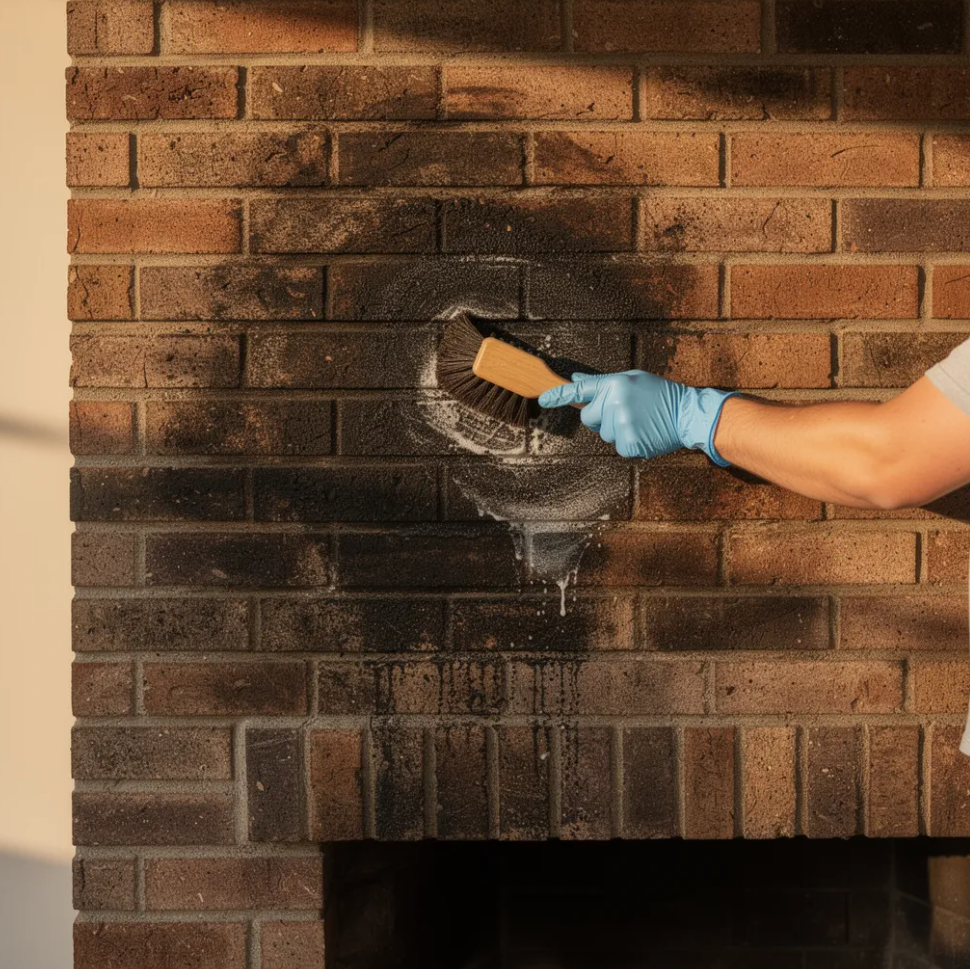
When it comes to interior stain removal, Brick Wash technicians in Toronto, Ontario, safely restore masonry using targeted cleaning solutions applied with stiff-bristled brushes, followed by controlled low-pressure water rinsing. For stubborn grease or smoke residue, apply a baking soda paste for 15 minutes before scrubbing to gently lift it, then rinse thoroughly and apply a sealant.
For optimal results, interior brick stain removal should always begin with thoroughly removing loose surface dust before working a dedicated masonry cleaner into the pores using a stiff-bristled brush.
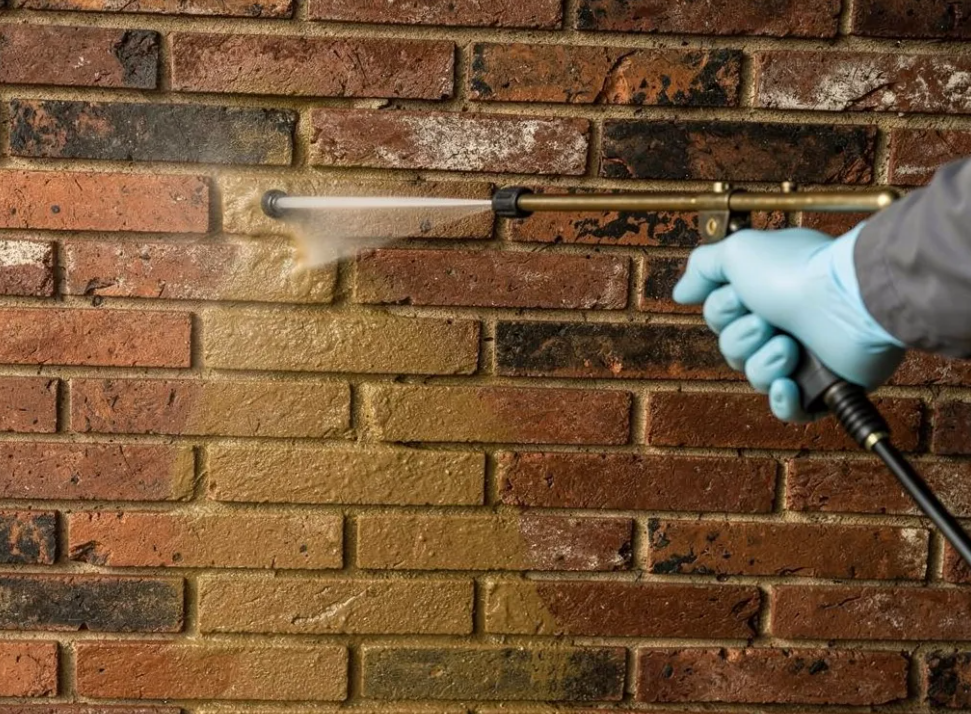
Interior brick stain removal begins with clearing away loose surface dust, followed by applying a targeted cleaning agent formulated for the specific blemish, whether soot, grease, efflorescence, or mold. In Toronto, Brick Wash specializes in restoring interior masonry by combining commercial-grade solutions with advanced low-pressure washing techniques. This controlled approach thoroughly lifts deep-set stains and mineral buildup without eroding or destabilizing fragile mortar joints.
What Do You Need Before Cleaning Interior Brick?
Proper preparation starts with correctly identifying what sits on the brick surface. Interior brick commonly carries paint, plaster, carbon staining, mold, efflorescence, and excess mortar, and each demands a different approach. Skipping this step risks the wrong treatment and permanent damage to the masonry.
Stain removal projects rely on a short list of essentials rather than a garage full of equipment.
- Inspect the wall and note every stain type present before touching a cleaner
- Gather sturdy rubber gloves, since brick surfaces are abrasive on bare hands and many cleaning agents are harsh on skin
- Set aside a masonry sponge rather than a stiff scrub brush; sponges lift grime without scratching mortar or brick face
- Check the wall’s age and origin, since heritage-era brick is softer and more porous, bound with lime mortar instead of modern cement
Is smoke stain brick different from other interior stains?
Smoke stains on fireplace brick penetrate deep into the porous clay rather than resting on the surface, making them significantly harder to lift than everyday dust or dried mortar residue. Consequently, soot and carbon buildup require a completely different chemical approach than mineral deposits or moisture marks caused by humidity and leaks. Using a one-size-fits-all cleaner on both types of blemishes risks pushing contaminants deeper and causing permanent discoloration.
Historic brickwork and softer lime-based mortars are highly susceptible to permanent surface damage. Masonry cleaning should always be handled by experienced specialists utilizing proper safety precautions and low-impact methods.
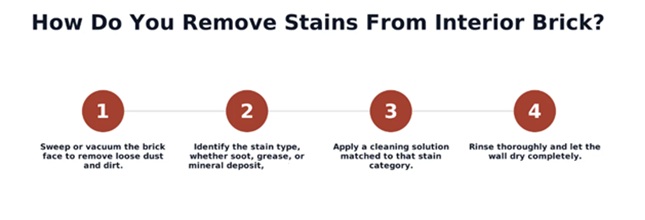
How Do You Remove Stains From Interior Brick?
Removing stains from interior brick fireplaces and accent walls calls for the same techniques used on exterior masonry. Brick reacts to dirt, soot, and moisture the same way indoors or out. Toronto homeowners with exposed brick can expect consistent results using the same cleaning solutions applied to exterior facades, provided the work follows a set order.
Begin interior stain removal by clearing away loose debris. Skipping this step drives grit deeper into the porous surface when the liquid cleaner is applied, making the wall harder to restore.
- Sweep or vacuum the brick face to remove loose dust and dirt
- Identify the stain type, whether soot, grease, or mineral deposit, before choosing a cleaner
- Apply a cleaning solution matched to that stain category
- Rinse thoroughly and let the wall dry completely
What causes smoke stain brick discoloration near a fireplace?
Fireplace smoke releases hydrocarbon particles that drift onto the brick face and settle into its pores. Repeated fires cause these particles to accumulate, producing a blackening effect that ordinary detergent cannot remove. Targeted acid washing breaks down stubborn hydrocarbon buildup, making it the most reliable method for safely stripping deep-set smoke residue without scarring or etching the brick’s surface.
How are watermarks and brick stains different from soot?
Unlike carbon-heavy smoke stains that blacken brick, watermarks occur when evaporating moisture leaves behind chalky mineral deposits on the surface. Because these stains have different chemical properties, using a targeted cleaning agent is essential. The right approach dissolves embedded grime, efflorescence, and mineral tide marks without deteriorating the surrounding mortar or compromising the wall’s structural integrity.
For heritage property owners, mortar preservation must remain the top priority during any stain removal process. Repointing or repairing degraded, historic joints is exponentially more expensive and structurally disruptive than treating superficial staining.
What Mistakes Damage Interior Brick When Cleaning?
Blasting methods top the list of dangerous mistakes homeowners make on exposed brick. Sandblasting, soda blasting, abrasive blasting, and dry ice blasting should never touch interior masonry. These techniques drive sand into every crack of a home’s structure, and strip away the brick’s protective kilned finish, leaving the surface exposed to future staining and decay.
Harsh acids and power washing create similar risks. Both are dangerous when misapplied and often overkill for routine interior stain removal projects like soot or grease marks. Older, softer brick suffers most: improper cleaning causes spalling, fading, and even structural weakening over time.
Can household cleaners handle interior brick stains?
Standard detergents rarely clean brick properly on their own, especially against stubborn smoke stain brick discoloration near fireplaces. Alternatively, brick-specific methods work far better than kitchen soap and water.
Common mistakes to avoid:
- Using abrasive blasting equipment of any kind
- Applying acid without professional guidance
- Ignoring watermarks and brick damage caused by trapped moisture
- Relying solely on household detergents for deep staining
Conclusion
In summary, removing stains from interior brick walls requires patience, the right approach, and an understanding of your brick’s composition. Whether you tackle surface-level discoloration yourself or recognize when professional intervention becomes necessary, the goal remains consistent: preserving your brick’s natural beauty and structural integrity. Interior brick serves as a lasting design element in your home. Proper stain removal protects that investment for years to come.
Key Takeaways
- Brick is a porous material that requires specialized cleaning techniques beyond standard household detergents
- Soot from fireplaces and cooking grease are the two most common interior brick stains
- Correctly identifying your stain type ensures you apply the right removal method for best results
- Brick Wash’s team in Toronto specializes in restoring interior brick to its original appearance
Frequently Asked Questions (FAQs)
Q. What is the first step in interior brick stain removal?
A. Clear away loose dust and debris before applying any cleaner. Skipping this step drives grit deeper into the porous brick once liquid cleaner is applied.
Q. Why does smoke stain brick require special treatment?
A. Smoke stain sits deep within the brick’s pores rather than on the surface, making it harder to remove than surface dust. It often needs a different cleaning agent than watermarks caused by humidity or leaks.
Q. Who specializes in cleaning interior brick in Toronto?
A. Brick Wash, based in Toronto, Ontario, specializes in restoring interior brick using low-pressure washing techniques and dedicated cleaning solutions. Their methods remove dirt, efflorescence, and stains without damaging mortar joints.