Removing paint from brickwork presents unique challenges, especially in a bustling urban environment like Toronto. Property owners often seek safe, effective methods that comply with local regulations while ensuring the integrity of their masonry. Understanding the various techniques available—in addition to the specific environmental considerations—can help homeowners make informed decisions. This article will delve into the safest paint removal methods for brickwork in Toronto, including the operation of chemical removers and the implications of heat and pressure washing techniques. Furthermore, we will examine how Toronto’s environmental regulations influence these safe practices and provide guidance on selecting qualified contractors for the job.
What are the safest paint removal methods for brickwork in Toronto?
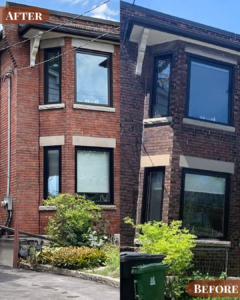
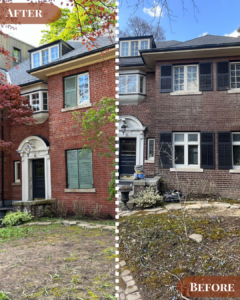
The most effective and safest method for removing paint from brickwork is through detergent-assisted low-pressure steam cleaning. This technique is widely employed by heritage preservation experts globally, including those affiliated with UNESCO. The specific detergent, heat, and pressure levels utilized may differ based on various factors such as the type of paint, the age of the brick, and the particular site of the project.
How do chemical removers operate, and which eco-friendly options are available?
Chemical removers are commonly utilized for their efficacy in dismantling paint adhesion on brick surfaces. These products generally comprise solvents designed to penetrate the various layers of paint, facilitating their dissolution for effortless scraping. However, it is important to note that many traditional chemical removers emit volatile organic compounds (VOCs), which can be detrimental to the environment and pose health hazards. Additionally, some of these removers contain recognized carcinogens.
Eco-friendly options exist that minimize these dangers, offering biodegradable formulations that are just as effective without harmful health implications. Options like soy-based removers work through a different mechanism—soaking into the paint and lifting it away without the unpleasant odors associated with harsh chemicals. Proper ventilation and personal protective equipment are crucial when using any chemical remover, whether traditional or eco-friendly.
What are the advantages and potential drawbacks of utilizing eco-friendly, detergent-assisted steam cleaning in comparison to alternative cleaning methods?
There are a number of paint removal alternatives available for hire, including abrasive blasting, lasers, and pressure washing with toxic strippers.
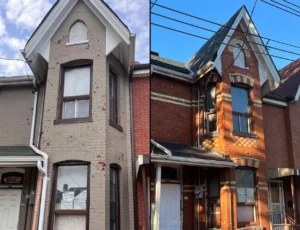
Abrasive blasting is notably fast and cost-effective; however, it can inflict permanent damage to brick and mortar, resulting in a rough and unsightly appearance. Interestingly, much of Cabbage town underwent abrasive blasting in the late 1990s and early 2000s, leading to significant damage to Victorian homes, which are now being completely re-bricked.
Lasers represent the latest technology in paint removal, but the current capabilities for effectively removing paint from brick are inadequate. Similar to abrasive blasting, laser cleaning strips away the protective kiln face of the brick, making it more vulnerable to deterioration. Furthermore, this method burns the paint, producing toxic fumes that are challenging to manage in an urban environment.
High-pressure washing combined with toxic strippers is perhaps the quickest and most affordable approach to paint removal, but it comes with serious health risks. Shockingly, Canada still permits the sale of toxic paint strippers, which are recognized carcinogens, while their use is banned outright in the United States and the European Union. Additionally, employing high pressure on brick can erode the kiln face, accelerating deterioration.
At Brick Wash, we employ eco-friendly, non-toxic paint strippers and utilize low-pressure steam within a reclaim system. Our approach not only adheres to heritage preservation guidelines but also surpasses them by incorporating a reclaim system that captures heat and paint, often containing lead. We are committed to responsible disposal of hazardous materials and ensuring that wastewater is treated or diverted to sanitary sewers in compliance with ecological regulations.
How do Toronto’s environmental regulations influence safe brick paint removal?
Understanding Toronto’s environmental regulations is crucial for property owners looking to undertake safe and compliant paint removal endeavors. The city has established guidelines aimed at reducing harmful emissions and protecting public health during painting and renovation activities.
What local environmental standards apply to paint removal contractors?
Contractors involved in paint removal must adhere to specific standards set by local authorities, including the requirement to manage and dispose of hazardous materials properly. These regulations often include mandatory training for workers in safe removal practices and handling of toxic substances, ensuring that contractors are equipped to minimize environmental impacts.
Failing to comply with these regulations can result in substantial penalties for contractors and homeowners alike, making it essential to choose professionals who are knowledgeable about local guidelines and certification.
Why is eco-friendly paint stripping important for Toronto properties?
Eco-friendly paint stripping is vital for maintaining both environmental integrity and the health of local communities. By utilizing non-toxic paint removal methods, property owners contribute to reduced VOC emissions, thereby improving air quality and minimizing health risks associated with traditional chemical removers. Furthermore, opting for eco-friendly methods aligns with broader environmental goals, promoting sustainability within the construction and renovation sectors.
Why are Non Toxic Paint strippers important for Toronto home owners?
For homeowners in Toronto, the choice of paint strippers is critical, especially when considering alternatives that prioritize safety and environmental health. While it is true that traditional toxic paint strippers may offer quicker and more cost-effective solutions for paint removal, they come with significant risks. These hazardous substances are known carcinogens and can linger on surfaces long after the project is completed, posing serious health risks to residents and local wildlife. Despite their legal status in Canada as of 2026, such toxic strippers are banned in the United States and the European Union due to their potential to harm bystanders, workers, and residents. In contrast, eco-friendly and non-toxic paint strippers, while perhaps less aggressive in their effectiveness, provide a safer option that protects both human health and the environment. Choosing non-toxic alternatives not only promotes a healthier living space but also contributes to the well-being of the broader community. In light of these factors, it becomes evident that prioritizing non-toxic paint strippers is a responsible and commendable choice for homeowners committed to sustainability and safety.
How to choose qualified paint removal contractors in Toronto?
Selecting the right contractor for paint removal tasks in Toronto involves careful consideration of qualifications and capabilities. Engaging a reputable contractor can significantly impact the project’s outcomes and ensure compliance with environmental standards.
What expertise and certifications should contractors have?
When evaluating potential contractors, it’s essential to verify their expertise and any certifications relevant to paint removal and environmental compliance. Ideally, contractors should possess certifications in safe handling of hazardous materials and a strong background in masonry cleaning techniques. Contractors with established track records in eco-friendly practices are also preferable, as they will ensure that the job is done safely and effectively.
What are the key questions to ask before hiring a contractor?
Before hiring a contractor, consider asking the following key questions:
- What experience do you have with paint removal from brick surfaces? Understanding their track record in dealing with similar projects will provide insight into their capabilities
- Are you compliant with local environmental regulations? Confirming their adherence to local standards demonstrates their commitment to responsible practices
- Can you provide references from previous clients? A reputable contractor should have a portfolio of satisfied clients who can vouch for their work quality
What are the risks and best practices for DIY brick paint removal?
Many homeowners may consider tackling paint removal as a DIY project, but certain risks and practices must be acknowledged to protect both the individual and the brickwork.
What hazards should be considered when attempting removal without professionals?
Engaging in DIY paint removal can present homeowners with various risks, including exposure to harmful chemicals and the possibility of injuries related to the use of different tools. Inadequate ventilation during chemical use can lead to respiratory issues, while improper techniques can damage the brick or mortar. Additionally, legal implications may arise if hazardous materials are improperly disposed of, making it essential to understand local laws regarding paint waste.
Which safe procedures can DIY enthusiasts follow to minimize damage?
For those who choose to attempt DIY methods, following these procedures can help minimize damage to the brick and ensure a safer experience:
- Wear appropriate protective gear: Always use gloves, goggles, and a mask to protect against chemical splashes and inhalation
- Test a small area first: Before applying any method across a large section, test it in a less visible area to gauge its effectiveness and potential damage
- Follow safe disposal guidelines: Adhere to local regulations for disposal of chemical cleaners and paint waste to avoid penalties
How to restore and maintain brickwork after paint removal in Toronto?
Post-removal restoration is crucial in maintaining the longevity and appearance of brick surfaces. Proper techniques can help ensure that the bricks remain intact and continue to serve their structural and aesthetic functions.
What post-removal restoration techniques preserve brick integrity?
Once paint removal is completed, several techniques can help restore the brickwork’s integrity:
- Cleaning and resealing: After paint removal, bricks should be thoroughly cleaned and, if necessary, resealed to protect against water damage and staining
- Repairing mortar joints: If any mortar was damaged during the paint removal process, repairs should be undertaken to preserve the overall stability and appearance of the structure
- Application of Protective Coating: A breathable, water-repellent coating can be utilized to safeguard against moisture infiltration while facilitating vapor release. This is crucial for preserving the integrity of bricks, particularly if they are significantly degraded
How can ongoing maintenance prevent deterioration after paint stripping?
Routine maintenance is key to preventing deterioration post-paint removal. Property owners should regularly check the brickwork for signs of wear, such as cracks or crumbling mortar, and address these issues promptly to avoid further damage. Additionally, keeping the bricks clean and free from debris can extend the lifespan of the restoration efforts and maintain the property’s aesthetic appeal.
What are the typical costs and value considerations for safe paint removal from brickwork in Toronto?
Cost considerations play a significant role when it comes to hiring professionals for paint removal. Homeowners should carefully weigh the methods chosen against the associated expenditures.
How do different methods and contractor choices influence pricing?
The cost of paint removal from brick surfaces varies significantly depending on the method used and the contractor’s expertise. For example, using chemical removers may range widely based on the products selected and the area to be treated. Generally, eco-friendly approaches may incur slightly higher upfront costs due to the premium nature of the products, yet these often ensure long-term value through sustainable practices.
The examples presented in the table below illustrate the process of paint removal exclusively from the front façade of a two-story Edwardian semi-detached home, a style frequently encountered in Toronto.
| Method | Cost | Pros | Cons |
| Toxic Removers + High pressure | $4000 – $6000 | Cost affective and fast | Damages bricks & mortar, extremely unhealthy for humans and the environment |
| Abrasive blasting | $3000-$4000 | Cost affective and fast | Permanent damage will require full wall replacement ($20k–$40k) and imperfect results, major health risks attributed to airborne brick dust (silica) during the abrasive blasting process |
| Brick wash (detergent-assisted, low-pressure steam + Reclaim) | $7500 – $10000 | Brick and mortar unharmed, best results possible, in line with heritage best practices, long-term brick health benefits, environmentally friendly | Slower process with more incurred cost |
This comparison underscores the importance of selecting a method based on both initial cost and long-term benefits, ensuring that the selected approach does not compromise the integrity of the brick structure.
What long-term value does safe, environmentally compliant removal provide?
Investing in safe, environmentally compliant paint removal brings several long-term benefits. Compliance with regulations not only ensures the project is performed responsibly, protecting both health and the environment, but it can also enhance property value. Maintaining the integrity of the brickwork through proper methods extends the lifespan of the overall structure, reduces future maintenance costs, and supports local sustainability efforts.
In summary, navigating the intricacies of safe paint removal from brickwork in Toronto is essential for preserving the integrity and aesthetics of your property. By employing the safest removal methods that align with Toronto’s environmental regulations, homeowners can ensure both compliance and effectiveness. Choosing qualified contractors such as Brick Wash that are highly experienced in sensitive paint removal for heritage properties protects against the risks of DIY attempts while safeguarding your investment. We ensure that we maintain the character and detailing of the original architectural elements.
Furthermore, understanding the costs involved and the value of professional services plays a crucial role in making informed decisions. Ultimately, proper paint removal is not merely a task; it’s an investment in the longevity, beauty, and value of the property you cherish. For those ready to rejuvenate their brickwork and enhance their home’s appeal, reaching out for a quote is the first step toward a stunning transformation.