Historic buildings represent layers of architectural, cultural, and material history. Unlike modern construction, which often uses standardized, durable materials, older buildings were constructed using locally sourced brick, natural stone, and lime-based mortars that are inherently more porous, breathable, and sensitive to environmental conditions.
Over decades or even centuries, these surfaces accumulate pollution deposits, biological growth, and general atmospheric grime. While cleaning is necessary to maintain both appearance and structural health, using the wrong method can cause irreversible damage.
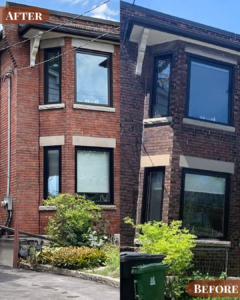
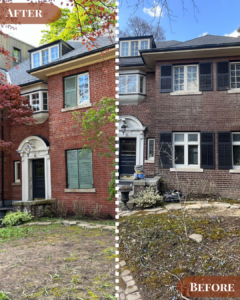
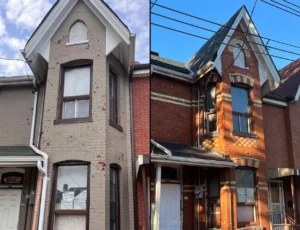
This is where steam cleaning plays a critical role. As a conservation-led technique, it enables professionals to remove contaminants effectively while preserving the integrity, texture, and character of historic masonry.
Understanding Historic Masonry and Its Vulnerabilities
Before selecting any cleaning method, it is essential to understand how historic materials behave.
Porosity and Breathability
Historic bricks and stones are typically:
- Highly porous – allowing moisture to move freely in and out
- Breathable – enabling evaporation of internal moisture
This breathability is vital. If disrupted by paint, sealants, or inappropriate cleaning, it can lead to:
- Trapped moisture
- Internal damp issues
- Salt crystallization (efflorescence)
- Long-term structural decay
The Importance of the Surface Layer (“Fire skin”)
Many historic bricks have a thin, hardened outer layer formed during firing. This layer:
- Provides resistance to weathering
- Protects the softer inner core
Aggressive cleaning methods such as sandblasting or high-pressure washing can strip this layer away, leaving the brick vulnerable to rapid deterioration.
Impact of Environmental Exposure
Historic buildings are constantly exposed to:
- Urban pollution (carbon, sulphur deposits)
- Biological growth (algae, moss, lichen)
- Moisture cycles (rain, humidity, freeze-thaw)
These factors not only affect appearance but can also accelerate material breakdown if not properly managed.
What Is Steam Cleaning?
Steam cleaning, often associated with systems like DOFF, uses superheated water delivered at low pressure to clean masonry surfaces.
Key Technical Characteristics
- Temperature: Typically, between 120°C and 150°C
- Pressure: Significantly lower than conventional pressure washing
- Water Volume: Minimal compared to traditional methods
Rather than relying on force, steam cleaning uses thermal energy to loosen and break down contaminants.
How Steam Cleaning Works
The process operates through a combination of:
- Heat penetration – softens dirt, grease, and paint residues
- Thermal shock – disrupts biological growth at a cellular level
- Low-pressure delivery – ensures no mechanical damage to the substrate
This makes it uniquely suited to delicate and historic surfaces.
Why Is Steam Cleaning Ideal for Historic Restoration?
1. Non-Destructive Cleaning
Steam cleaning is fundamentally non-abrasive. It does not erode or physically strip the surface of brick or stone.
This is critical for:
- Retaining original tool marks and textures
- Preserving architectural details
- Maintaining the authenticity of historic materials
2. Effective Removal of Biological Growth
Biological contaminants such as algae, moss, and lichen thrive in damp environments. Steam cleaning:
- Kills spores at high temperature
- Reduces the likelihood of rapid regrowth
- Eliminates the need for aggressive biocides in many cases
3. Controlled Moisture Introduction
One of the biggest risks in masonry cleaning is water saturation.
Steam cleaning mitigates this by:
- Using very low water volumes
- Preventing deep penetration into the wall structure
- Reducing risks associated with freeze-thaw cycles and internal damp
4. Reduced Chemical Dependency
While some cleaning scenarios require chemical support, steam cleaning often:
- Works effectively on its own
- Allows for the use of milder, conservation-grade products
- Minimizes environmental impact
5. Alignment with Conservation Principles
In heritage and conservation work, cleaning methods must adhere to strict principles:
- Minimum intervention
- Reversibility
- Material preservation
Steam cleaning aligns closely with these requirements, making it a preferred method for:
- Listed buildings
- Conservation areas
- Historic facades
Types of Contaminants Removed by Steam Cleaning
Steam cleaning is versatile and can address a wide range of issues commonly found on historic buildings.
Atmospheric Pollution
- Carbon deposits from traffic and industry
- Soot accumulation on facades
These often appear as black staining, particularly in urban environments.
Biological Growth
- Algae (green staining)
- Moss and lichen
- Fungal growth
Steam not only removes these but also treats the root cause by killing spores.
General Dirt and Grime
- Dust accumulation
- Organic debris
- Weather-related staining
Light Coatings and Residues
- Thin paint layers
- Surface-level coatings
- Residual staining from previous treatments
The Professional Steam Cleaning Process
A structured and methodical approach is essential to ensure safe and effective results.
1. Detailed Survey and Assessment
Professionals assess:
- Type of masonry (brick, sandstone, limestone)
- Condition of the surface
- Nature and severity of staining
This stage determines whether steam cleaning is appropriate.
2. Test Patch
A small, inconspicuous area is cleaned first to:
- Evaluate effectiveness
- Identify any risks
- Adjust temperature and technique if necessary
3. Controlled Application
Steam is applied using specialist equipment:
- Operators maintain a consistent distance and angle
- Temperature and flow are carefully regulated
- Cleaning progresses systematically across the surface
4. Gentle Agitation (If required)
In some cases:
- Soft natural-bristle brushes are used
- No abrasive tools are introduced
5. Final Inspection and Quality Control
The cleaned surface is reviewed to ensure:
- Even appearance
- No damage to masonry
- Desired conservation outcome achieved
When Steam Cleaning May Not Be Enough
Despite its advantages, steam cleaning has limitations.
Situations Requiring Additional Methods:
- Thick, modern paint systems
- Heavy industrial coatings
- Deeply ingrained staining
In such cases, professionals may combine steam cleaning with:
- Specialist chemical poultices
- Controlled paint removal systems
- Multi-stage cleaning approaches
Long-Term Benefits of Steam Cleaning
Choosing the right cleaning method has lasting implications for a building’s condition.
Preservation of Original Fabric
- Protects historic materials from unnecessary loss
- Maintains structural and visual integrity
Improved Aesthetic Without Over-Cleaning
- Removes unwanted staining
- Retains natural patina and character
Reduced Maintenance Requirements
- Slows down future deterioration
- Minimizes need for frequent interventions
Environmental and Sustainability Benefits
- Lower water usage
- Reduced chemical reliance
- Supports sustainable restoration practices
Historic restoration is a balance between intervention and preservation. Cleaning, while necessary, must be approached with a deep understanding of material behaviour and long-term impacts.
Steam cleaning offers a highly effective solution by combining:
- Low pressure – preventing physical damage
- High temperature – breaking down contaminants
- Minimal water use – protecting internal structure
For conservation professionals and property owners alike, it represents one of the most reliable and responsible methods for maintaining historic masonry.
When carried out by experienced masonry specialists, steam cleaning not only restores appearance but also protects the building’s future while respecting its past.
Contact Brick Wash Today!
If your brick or stone building is showing signs of staining, biological growth, or weathering, it’s important to choose a cleaning method that protects, not damages, the surface. Steam cleaning offers a safe, conservation-led solution, but it must be carried out with the right expertise and equipment.
At Brick Wash, we specialize in low-pressure steam cleaning for both historic and modern properties. Our approach is tailored to each building, ensuring that materials are preserved while achieving a clean, consistent finish.
Contact us today to arrange a site assessment or request a quote and find out how professional steam cleaning can restore your building without compromising its integrity.