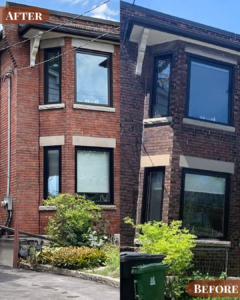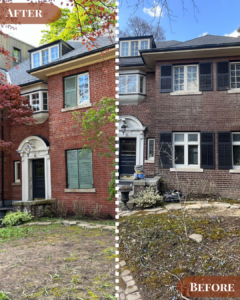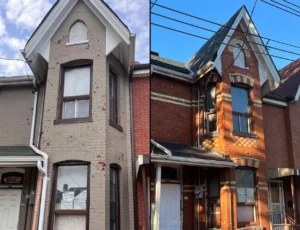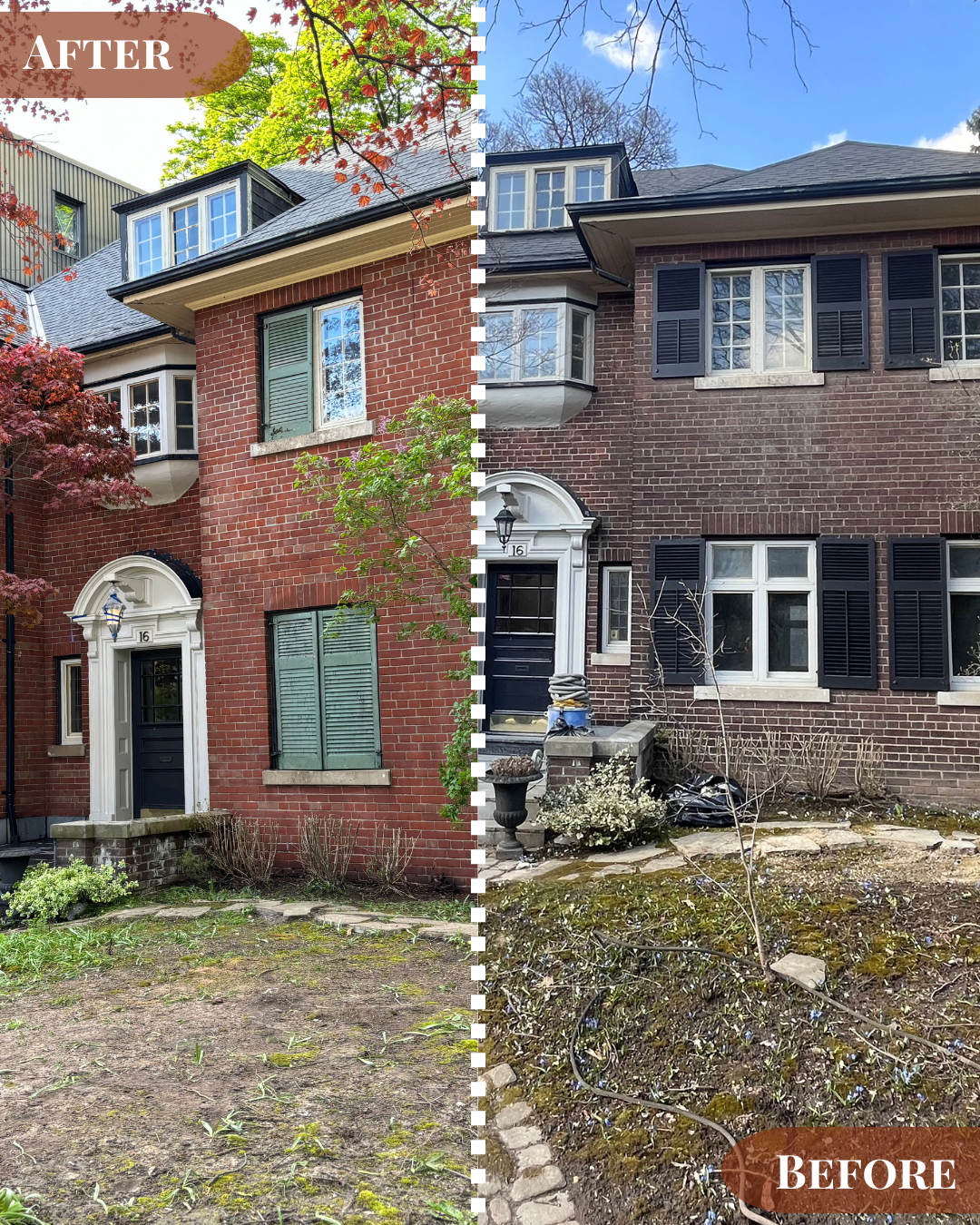
Brick Wash recommends that the frequency of cleaning varies depending on specific conditions. For personalized guidance, we encourage you to reach out to us directly. Given Toronto’s freeze-thaw climate, the risk of staining is heightened, making regular inspections essential for the early detection of issues such as efflorescence and mold. Additionally, for high-traffic areas, the recommended cleaning frequency may differ.
Brick exteriors should undergo professional cleaning every few years to maintain their appearance and integrity. In older homes in Toronto, the accumulation of soot, mold, and efflorescence may necessitate more frequent cleaning. Additionally, newly constructed buildings often require the removal of excess mortar shortly after completion, as hardened mortar can lead to staining over time. For optimal results, property managers and homeowners are encouraged to arrange a personalized assessment with Brick Wash, which will take into account each building’s specific age and condition.
What Do You Need Before Cleaning Brickwork?
Proper brickwork cleaning requires site preparation, the right method, and a clear understanding of surface type before any water touches the wall. Brick Wash, a family-owned and operated masonry cleaning specialist based in Toronto, Ontario, follows a set sequence on every job to protect the property and the brick itself.
- Evaluate the surface: Identify whether the task pertains to exterior or interior brickwork. It is important to note that cleaning methods and solutions for interior surfaces are identical to those used for exterior brick. Therefore, the preparation process remains consistent regardless of the location
- Protect vulnerable areas first: Cover windows, doors, and nearby foliage before any cleaning begins. Prep work like this typically consumes up to a notable share of total appointment time, and skipping it risks damage to glass, trim, and plants
- Confirm the cleaning method: Professional crews rely on a detergent-assisted, low-pressure steam method rather than harsh abrasives, since this approach removes grime without wearing down the masonry surface. The detergent is expertly applied using a brush, rather than being sprayed, ensuring a precise and uniform distribution that minimizes the risk of any potential damage
- Stage equipment and cleaning solution: Have steam equipment and detergent ready before starting, so the process runs continuously once prep work is complete
What’s the biggest mistake homeowners make before cleaning brick?
Homeowners frequently neglect to cover windows, doors, and landscaping during projects adequately. This oversight can result in preventable water and detergent damage to adjacent areas. Dedicating sufficient time to preparation is essential, as it safeguards the property during the course of the job.
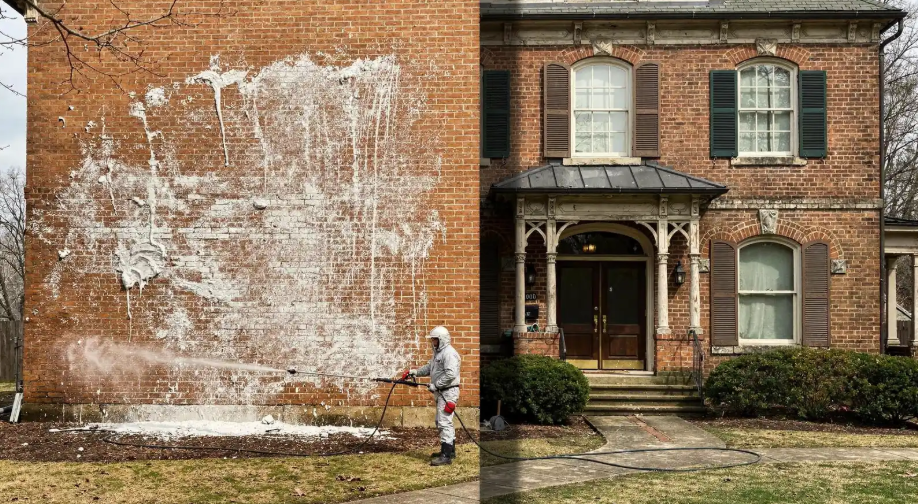
How Often Should Brickwork Actually Be Cleaned?
Clay brick demands surprisingly little upkeep across its lifespan, so no fixed calendar date determines cleaning frequency. Instead, the right brick cleaning schedule depends on the building’s age, prior treatment, and how much soot, mortar residue, or pollution buildup has accumulated on the surface. Owners of newly built homes and owners of century-old properties face very different timelines.
When should a brand-new brick wall get its first cleaning?
New construction requires prompt cleaning; contact Brick Wash for specific timing based on your project. Waiting longer allows excess mortar to harden onto the surface, making removal far more difficult. Cleaning within this window protects both the mortar joints and the brick face from unnecessary wear.
How often do older Toronto homes need cleaning?
Century-old properties carry a different burden: decades of coal residue and environmental pollutants embedded in the brick. Periodic historic cleaning treatments address this buildup, restoring the original tone and texture that years of grime have masked.
Between major cleanings, consistent masonry cleaning intervals protect the building in several measurable ways:
- A refreshed, consistent façade appearance
- Increased property value
- Reduced risk of mold and bacteria growth
- Healthier brick with less chipping and deterioration over time
Skipping these intervals lets moisture, mold, and organic staining take hold gradually, and reversing years of neglect costs far more than staying ahead of it. A property manager who schedules inspections annually catches early staining before it sets permanently into the pores of the brick.
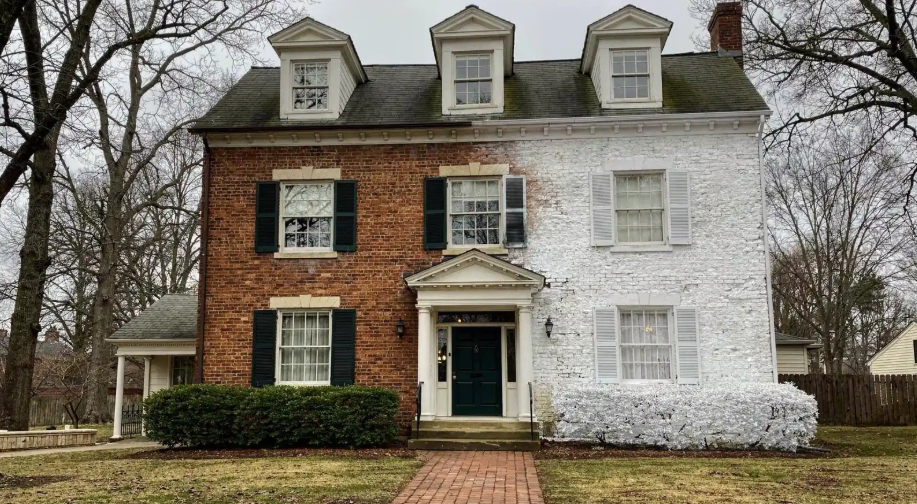
What Mistakes Shorten the Time Between Cleanings?
Aggressive cleaning methods can inflict more damage than the dirt they are intended to eliminate. Techniques such as high-pressure washing and abrasive blasting can strip colour from brick surfaces, resulting in lasting damage. As a result, property owners frequently discover that they must attend to the cleaning of their exteriors much sooner than what is typically recommended by standard brick cleaning schedules.
There are specific techniques that should never be applied to a brick exterior, regardless of how persistent a stain may appear:
- Sandblasting, soda blasting, and dry ice blasting can compromise the protective kiln-fired finish on brick surfaces, rendering them vulnerable to moisture penetration and staining
- Regular wire brushing between professional maintenance visits removes a thin layer of brick, which can weaken its surface over time
- Frequent abrasive cleaning methods shorten the intervals between masonry maintenance, as damaged bricks tend to accumulate dirt and grime more quickly than their intact counterparts.
Why Does Aggressive Cleaning Backfire?
Abrasive cleaning methods do more than simply eliminate dirt; they also compromise the brick’s protective outer layer. Once this layer is removed, staining is likely to recur more quickly, necessitating repairs sooner and disrupting efforts to maintain a regular cleaning schedule.
When is Professional Intervention Necessary?
For extensive or unclear staining, it is advisable to seek the expertise of a professional before establishing a cleaning routine. A masonry cleaning specialist like Brick Wash will first assess the nature of the stains, then recommend a safe cleaning approach that safeguards the integrity of the brick’s surface and extends the duration between subsequent cleanings.
Key Takeaways
- Clay bricks demand very little maintenance over their lifespan, requiring cleaning only when necessary for aesthetic purposes
- Interior bricks on fireplaces tend to gather soot, which necessitates regular cleaning to preserve their visual appeal
- The most prevalent concerns in brickwork, such as efflorescence and mortar buildup, often necessitate the expertise of professional cleaning services
- Brick Wash operates in Toronto, Ontario, employing a dedicated team of professionals who specialize in brickwork maintenance and restoration
Frequently Asked Questions (FAQs)
Q. When should new brick get its first cleaning?
A. Clay bricks should only be cleaned when there is a visible accumulation of soot, mold, or efflorescence, rather than adhering to a set schedule. It is important to note that older homes in Toronto generally necessitate more regular maintenance compared to newer constructions.
Q. When should new brick get its first cleaning?
A. For optimal results, it is recommended to clean new construction within 3 to 14 days after the completion of bricklaying. Delaying this process allows excess mortar to harden, which can subsequently stain the surface of the bricks.
Q. Why do older Toronto homes need cleaning more often?
A. Decades of coal residue and environmental pollutants have accumulated on the surfaces of century-old brick structures. Regular historic cleaning treatments are employed to address this buildup.