Brick cleaning is one of those services that looks simple from the outside. Because of that, many homeowners either attempt it themselves or hire general contractors who may not specialize in masonry. Unfortunately, this is where problems begin.
Improper brick cleaning is more common than most people realize. The issue is not always immediate, walls can look cleaner at first, but the real damage often shows weeks or even months later. Discoloration, moisture problems, and surface deterioration tend to develop over time, not overnight.
By the time these issues become visible, the brick has already been affected beneath the surface. That’s why understanding what went wrong and what can still be done is so important.
What Does “Incorrect Brick Cleaning” Mean?
Incorrect brick cleaning usually comes down to using the wrong method for a material that is far more delicate than it appears.
Bricks are naturally porous. It absorbs water, reacts to chemicals, and relies on its outer surface layer for protection. When that layer is damaged, the brick becomes significantly more vulnerable.
Common mistakes include:
- High-pressure washing (too aggressive)
Pressure washing might seem effective, but excessive pressure can strip away the protective outer layer of the brick. Once that layer is gone, the brick is exposed and begins to deteriorate much faster.
- Not using heated water or steam
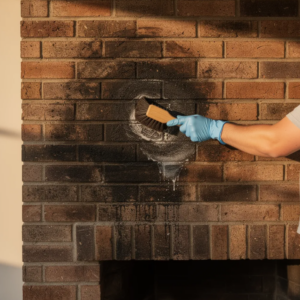
Cold water alone is often not enough to remove tougher contaminants like paint, caulking, or old tar. This leads to incomplete cleaning and uneven results.
There’s also a practical comparison here: when washing a car, warm or hot water is used to protect the paint. The same principle applies to bricks, especially at a historic or conservation level where heated or steam-based cleaning is far safer and more controlled.
- Using harsh acids or chemicals improperly
Strong chemicals can burn the surface of the brick, permanently altering its color and weakening its structure. If not neutralized properly, residues can continue damaging the brick over time.
- Sandblasting or abrasive cleaning
Abrasive methods physically remove the outer layer of the brick. While this may remove stains, it also removes the brick natural protection, leaving it porous and exposed.
- Cleaning without testing a small area first
Skipping a test patch increases the risk of widespread damage. Different bricks react differently, and what works in one area may not work in another.
Why this happens?
- A lack of understanding of how brick behaves as a material
- Treating brick like concrete, render, or siding
- DIY shortcuts or hiring non-specialists
Signs Your Brick Has Been Damaged
If bricks have been cleaned incorrectly, there are usually clear signs—although some take time to appear.
Visible damage:
- Discoloration or uneven color patches
The brick may look blotchy, faded, or inconsistent in tone - White haze or residue
Often caused by chemical reactions or an imbalance in efflorescence - Etching or rough surface texture
The brick feels worn down or looks dull instead of smooth - Spalling or pitted brick
This is where the face of the brick appears to have been stripped away
Structural concerns:
- Crumbling mortar joints
Mortar may weaken or fall out due to pressure or chemical exposure - Spalling (flaking brick surface)
The outer face begins to break off in layers - Increased moisture absorption
Damaged brick absorbs more water, leading to further deterioration
Long-term indicators:
- Dirt and staining returning faster than before
- Persistent damp patches
- Mold or mildew growth
These issues indicate that the brick is no longer properly protected.
Types of Damage Caused by Improper Cleaning
Different cleaning methods cause different types of damage, but all of them can affect the long-term condition of the brick.
Chemical damage
Strong acids can burn the brick surface, weaken its structure, and permanently alter its color. In some cases, the damage continues even after cleaning if residues remain in the brick.
Pressure damage
Excessive pressure removes the outer protective layer—often referred to as the “brick skin.” This layer is essential because it helps resist moisture and weather.
Once removed:
- Water can penetrate deeper into the masonry
- The brick becomes more vulnerable to frost and erosion
- Long-term durability is reduced
Abrasive damage
Methods like sandblasting physically strip the surface of the brick. While this may remove stains quickly, it leaves the brick porous and unprotected.
This often results in:
- Faster future staining
- Increased moisture issues
- A visibly worn or aged appearance
The impact of not using heated water or steam
Failing to use proper cleaning methods can also mean the job is simply not done effectively.
- Tough substances like paint, caulking, or tar may remain
- The finish looks inconsistent or incomplete
- Cold water can hit surfaces more aggressively, increasing the risk of damage
Heated or steam-based cleaning is not just more effective; it’s also significantly safer for the brick when done correctly.
This is why specialist companies like Brick Wash rely on controlled, low-pressure and steam-based systems rather than aggressive methods.
Can Damaged Brick Be Fixed?
Whether damaged bricks can be fixed depends on the severity and type of damage.
What can often be restored?
- Surface stains (depending on depth)
- Minor discoloration
- Residual chemical buildup
What is often permanent?
- Etching or erosion of the surface
- Loss of the original brick color
- Severe spalling or structural damage
Restoration options may include:
- Professional steam cleaning using controlled, low-pressure methods
- Repointing mortar joints to restore structural integrity
- Brick tinting or staining to improve appearance
- Partial brick replacement in heavily damaged areas
The goal is not always to make the brick look brand new, but to stabilize it and improve its overall condition.
When to Call a Professional?
If there are signs of damage, it’s important not to attempt another round of cleaning without proper assessment.
You should seek professional help if:
- The brick looks patchy, faded, or “burnt”
- Mortar joints are deteriorating
- Strong chemicals were previously used
- You’re unsure what cleaning method was applied
A professional approach always starts with:
- Testing small areas
- Identifying the type of brick
- Assessing the extent of the damage
A professional approach such as the one used by Brick Wash always begins with testing small areas, identifying the brick type, and carefully assessing the extent of the damage before proceeding.
How Do Professionals Correct Past Mistakes?
Correcting improperly cleaned bricks requires a careful, controlled approach.
A proper process may include:
- Low-pressure or steam-based cleaning
- pH-neutral or carefully measured chemical treatments
- Targeted removal of specific stains
- Protecting surrounding areas like windows, plants, and surfaces
Key principle:
Restoration is about minimizing further damage, not aggressively trying to clean the brick again.
How to Prevent Further Damage?
Once damage has occurred, prevention becomes critical.
- Avoid using pressure washers on brick
- Do not rely on DIY chemical solutions
- Always test a small area before full cleaning
- Work with specialists who understand masonry
Before hiring a masonry contractor, ask:
- What cleaning method will you use?
- What pressure levels are involved?
- What type of chemicals are applied to?
Cost Implications of Fixing Damage
Repairing damaged bricks is often more expensive than cleaning them properly in the first place.
Depending on the extent of the damage, costs may include:
- Repointing mortar
- Replacing individual bricks
- Additional restoration treatments
This highlights the importance of using the correct methods from the start.
If your brick has already been cleaned incorrectly, it doesn’t necessarily mean it’s beyond repair, but it does mean the next steps need to be handled carefully.
Early assessment can prevent further deterioration and help preserve as much of the original brick as possible.
If you’re unsure about the condition of your brick, getting professional advice is the safest way forward.
Next step
If your brick has been cleaned incorrectly, a professional assessment can prevent further deterioration.
Request an inspection or quote with Brick Wash today to understand your options and see what level of restoration is possible.